Choosing frames that actually fit: beyond the face shape rules
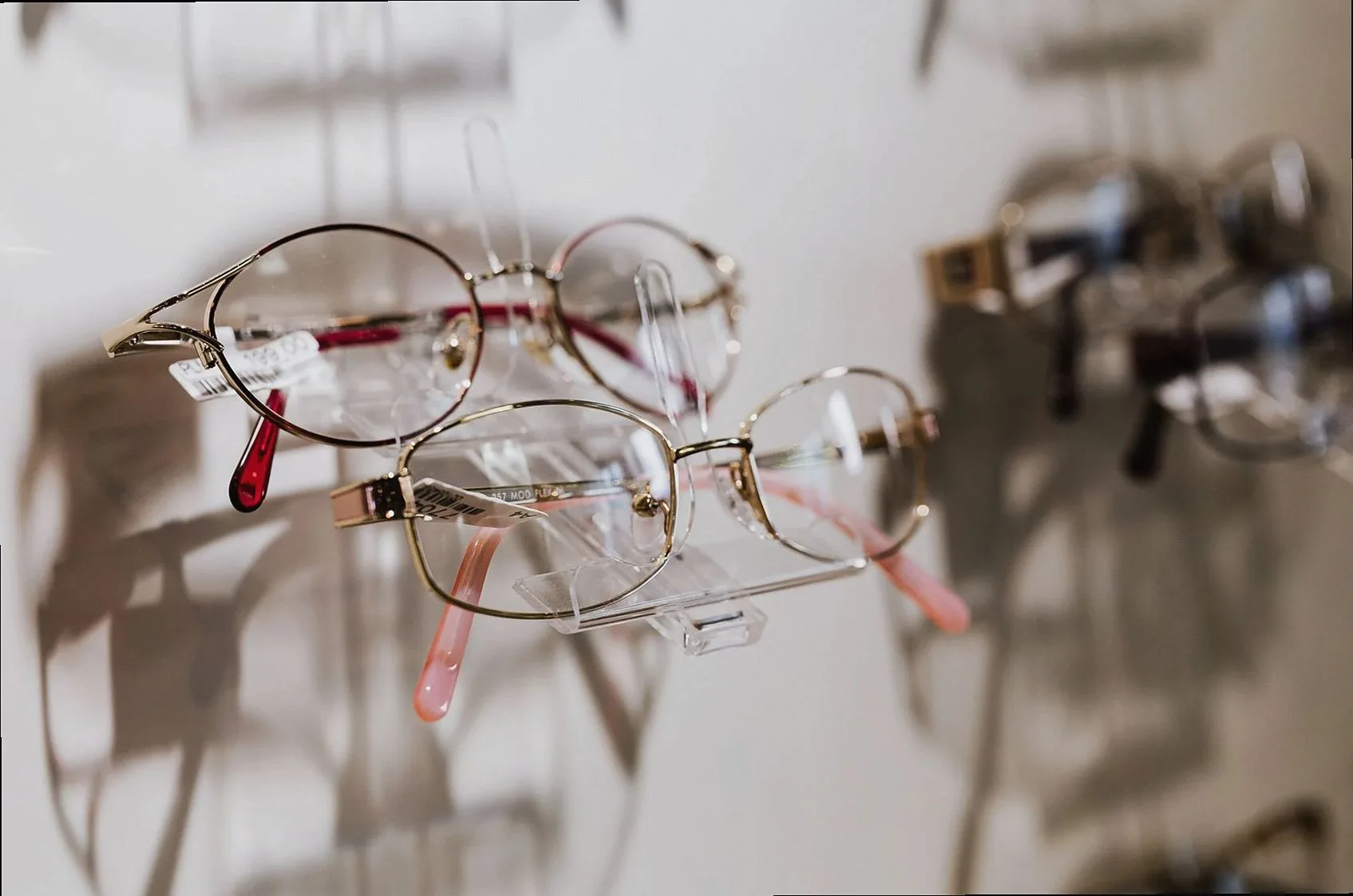
The face shape guide has been a fixture of optical dispensing for decades. Round faces suit angular frames; square faces suit round ones; oval faces suit everything. There is some truth in it, but it leaves out most of what actually determines whether a frame looks right and feels comfortable. This article covers what our dispensing optician actually considers when sitting down with a patient.
Fit before aesthetics
The first thing we look at is the fit. A frame that sits correctly on the nose and temples, with the optical centres of the lenses aligned with the pupils, will always look better than a frame that is slightly too wide or too narrow, regardless of how well the shape suits the face.
We measure pupillary distance and fitting height for every patient before discussing frame options. These measurements determine which frames can be fitted with the patient's prescription without compromising the optical performance.
What face shape actually tells you
Face shape is a useful starting point for narrowing down options, but it is a rough guide rather than a rule. The proportions that matter more are the width of the face at the temples versus the cheekbones, the length of the nose bridge, and the position of the ears relative to the eyes.
A patient with a narrow nose bridge will find that many frames sit too low, regardless of face shape. A patient with a high ear position relative to their eyes will find that standard temple lengths leave the frame tilted. These are fitting problems, not aesthetic ones, and they are solved by choosing the right frame rather than adjusting the patient's expectations.
Prescription constraints
Higher prescriptions impose constraints on frame choice that aesthetics cannot override. A strong minus prescription produces thick edges in a large frame; a strong plus prescription produces thick centres in a small frame. Rimless and semi-rimless frames are not suitable for all prescriptions.
We discuss these constraints honestly at the dispensing appointment. If a frame a patient loves is not going to work well with their prescription, we say so and explain why, then find something that achieves a similar look within the constraints.
Frame selection takes as long as it takes. We do not have a script, and we do not have a sales target. If you would like to come in and look at the current frame selection without committing to an appointment, you are welcome on any Tuesday or Wednesday afternoon.