Cedar Vision Works
Clear sight, kept with care.

News & Announcements

Articles
Glaucoma: risk factors, early detection, and what monitoring involves
2026-09-05

Glaucoma: risk factors, early detection, and what monitoring involves

Glaucoma is often described as the silent thief of sight, because it typically causes no symptoms until a significant amount of peripheral vision has already been lost. Early detection depends on regular examination, and the examination needs to include the right tests. This article explains what we look for, why family history matters, and what happens if we find something worth monitoring.
What an OCT retinal scan shows and why it matters
2026-08-29

What an OCT retinal scan shows and why it matters

When patients sit down for their eye examination at Cedar Vision Works, the OCT scan is part of the appointment rather than an optional extra. Most people have seen the machine and accepted the scan without quite knowing what it produces. This article explains what the images show, what we are looking for, and what happens if we find something worth investigating.

Choosing frames that actually fit: beyond the face shape rules
2026-08-22

Choosing frames that actually fit: beyond the face shape rules

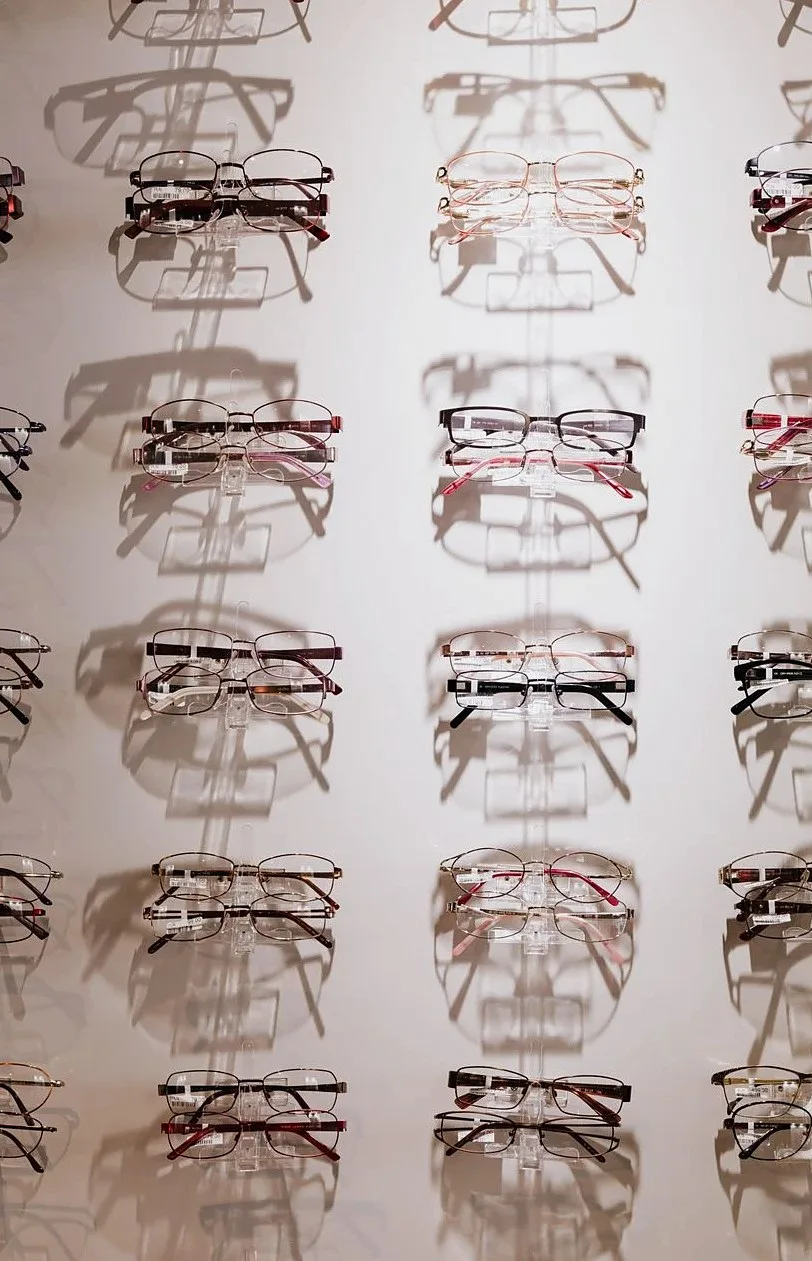
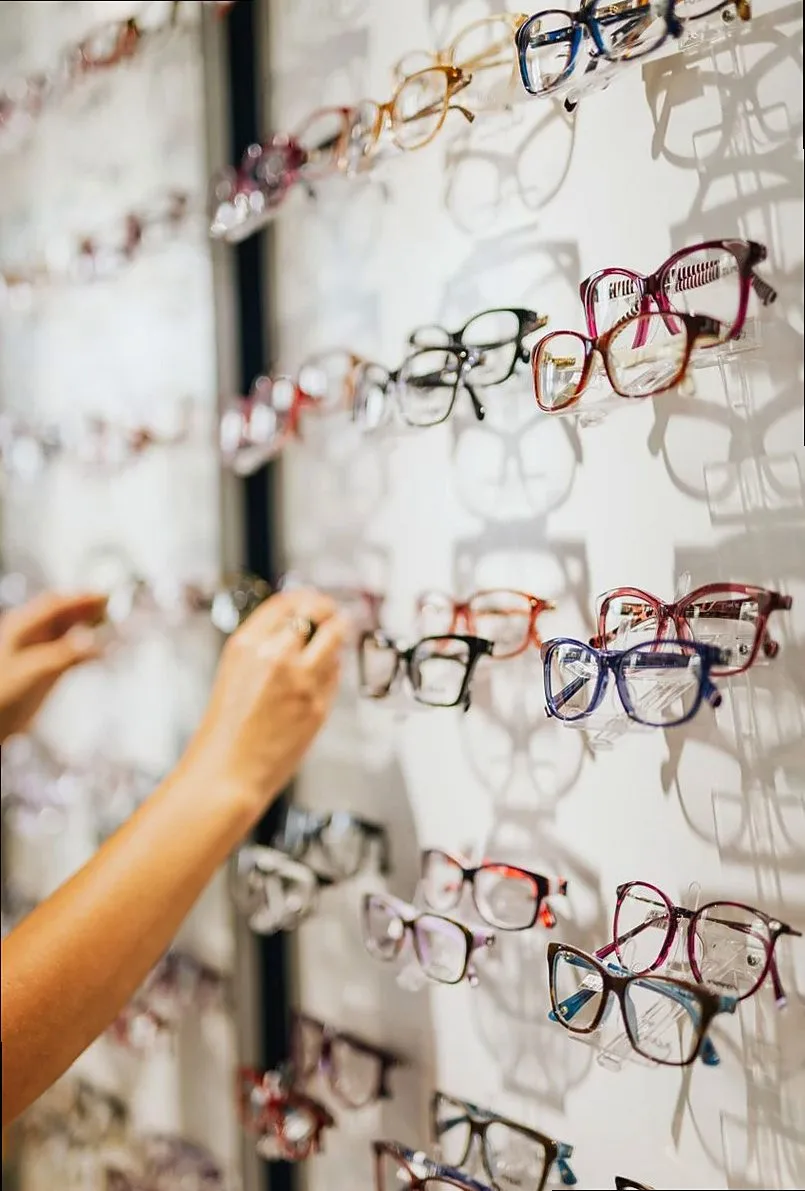
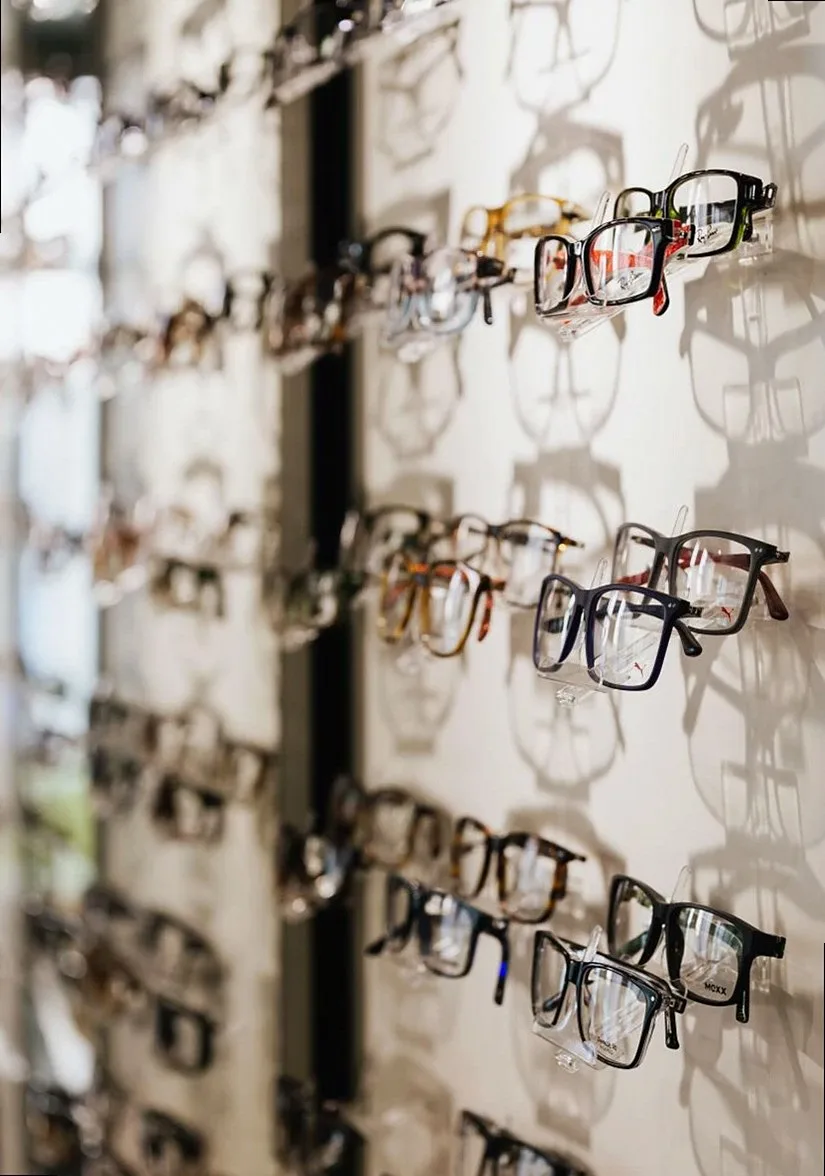
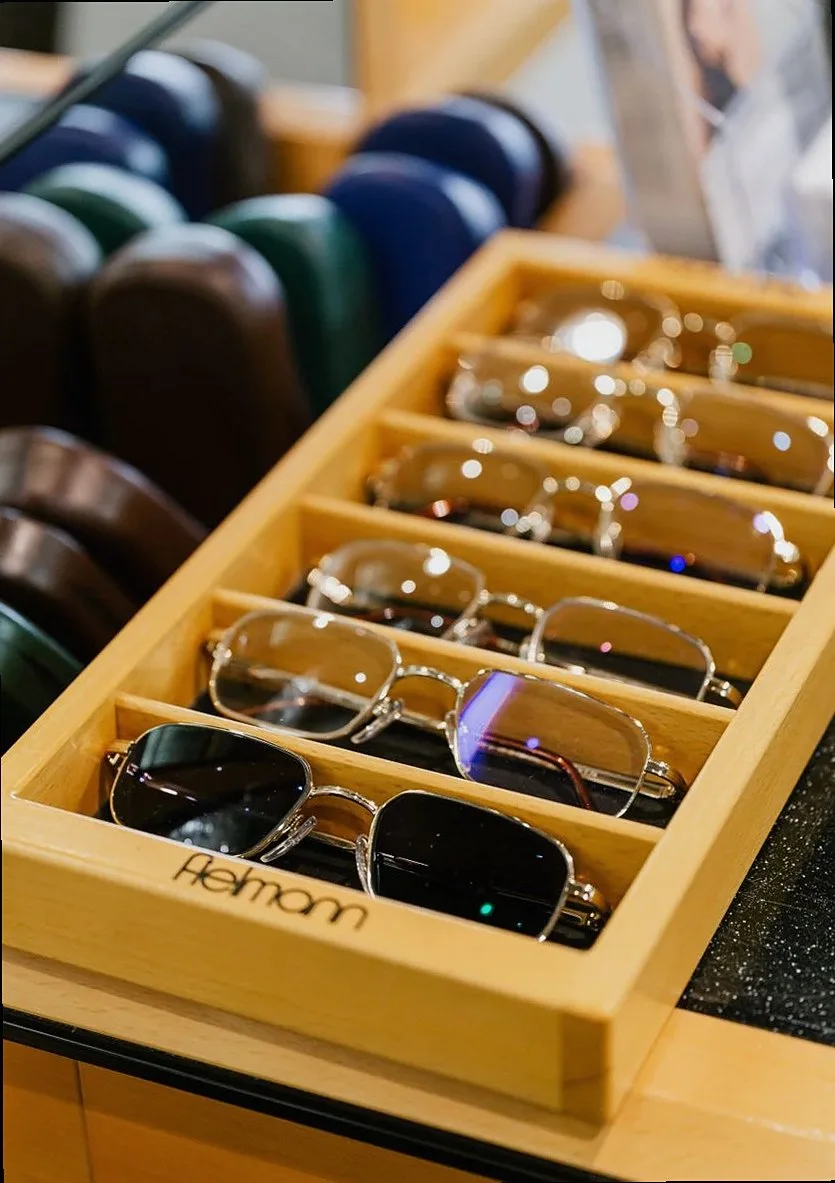
The face shape guide has been a fixture of optical dispensing for decades. Round faces suit angular frames; square faces suit round ones; oval faces suit everything. There is some truth in it, but it leaves out most of what actually determines whether a frame looks right and feels comfortable. This article covers what our dispensing optician actually considers when sitting down with a patient.

What happens at a children's eye test at Cedar Vision Works
2026-08-14

What happens at a children's eye test at Cedar Vision Works

Children's eye tests are different from adult examinations in ways that matter. The charts are different, the approach is different, and the time pressure needs to be different too. This article explains what happens during a children's appointment at Cedar Vision Works, so that parents and children know what to expect before they arrive.

Screen time and eye strain: what actually helps
2026-07-21

Screen time and eye strain: what actually helps

Eye strain from screen use is one of the most common things patients mention at their appointments. The symptoms are real: tired eyes, headaches by mid-afternoon, difficulty focusing after a long day at a computer. The causes are also real, though they are not always what the marketing around blue light glasses would suggest. This article covers what is actually happening and what tends to help.

Getting progressive lenses for the first time: what to expect
2026-07-04

Getting progressive lenses for the first time: what to expect

Progressive lenses are the most common solution for patients in their mid-40s who are finding that their arms are not quite long enough to read comfortably. The idea is straightforward: one lens, three zones, no visible line. The reality, for some patients, is a week or two of mild disorientation before the brain adapts. This guide explains what is happening and what helps.

Myopia management for children: the three options explained
2026-06-29

Myopia management for children: the three options explained

If your child's short-sight prescription has increased by more than 0.50 dioptres in the past year, it is worth asking whether anything can be done to slow that progression. The answer, in many cases, is yes. Three interventions have reasonable clinical evidence behind them. None of them reverses existing myopia, and none of them works for every child. This article explains what each involves.

Dry eye and meibomian gland dysfunction: what is actually happening
2026-05-13

Dry eye and meibomian gland dysfunction: what is actually happening

Dry eye is one of the most common complaints we see at Cedar Vision Works, and it is also one of the most misunderstood. Many patients arrive having used lubricating drops for months with limited improvement, not knowing that the drops may be addressing the wrong part of the problem. The tear film has three layers, and the one that is most often disrupted is the one that drops do not replace.

Follow us

Clear sight, kept with care.. Write to us

We answer most messages within a day.
See all news

Clear sight, kept with care.

Home

Home

Learn more about what we do.

Read more →
About

The story behind the practice

Meet the people behind the work.

Read more →
Contact

How to find us

Come visit, or drop us a line.

Read more →
Privacy

Privacy

Learn more about what we do.

Read more →
Terms

Terms

Learn more about what we do.

Read more →